
Study in the Netherlands: Tuition, Language, and Funding Basics to Check First
Thinking about studying in the Netherlands? Check tuition, language requirements, living costs, and funding options first — a plain starting guide.
 atif
Introduction
The Netherlands is one of Europe's most popular study destinations for international students, known for its large number of English-taught programmes, its international classrooms, and its compact, well-connected cities. It is also a country where the basics — tuition, language, and living costs — work differently from the English-speaking destinations many students first consider. Before you apply, it is worth understanding how those basics work so you can plan honestly and avoid surprises.
Tuition: check the specific programme
Tuition in the Netherlands depends on the type of institution and programme. Public research universities and universities of applied sciences set their own fees, and the amount can differ between bachelor's and master's levels and between programmes. The exact figure always depends on the programme you choose, so check the official page of the university and programme you are interested in — not a general article — and confirm whether the fee quoted applies to international students from outside the EU/EEA. Also check whether there are application or administrative charges on top of tuition, and whether fees change in later years of the course.
Language: many programmes are taught in English
One of the Netherlands' biggest draws is the wide choice of English-taught programmes, especially at master's level and increasingly at bachelor's level. If your course is taught in English, you will usually need to show an English test score at the level the university asks for — check the exact requirement on the official course page, because it varies by programme. Even when your course is in English, learning some Dutch will make daily life — housing, part-time work, and dealing with administration — much easier. Some programmes are taught in Dutch, in which case a Dutch-language qualification is usually required instead.
Funding: look beyond tuition
The Netherlands offers a range of funding options for international students, including scholarships from the Dutch government, from universities, and from other organisations. What each one covers varies — some help with tuition, some with living costs, and some with both — so read the terms of each award carefully. Keep in mind that a scholarship rarely covers everything, and you should also check the living costs of the city you plan to live in. Amsterdam is usually more expensive than smaller Dutch cities, and rent is often the biggest part of a student budget. Check the official scholarship pages and the university's own funding pages, and note every deadline in one place.
Living costs and daily life
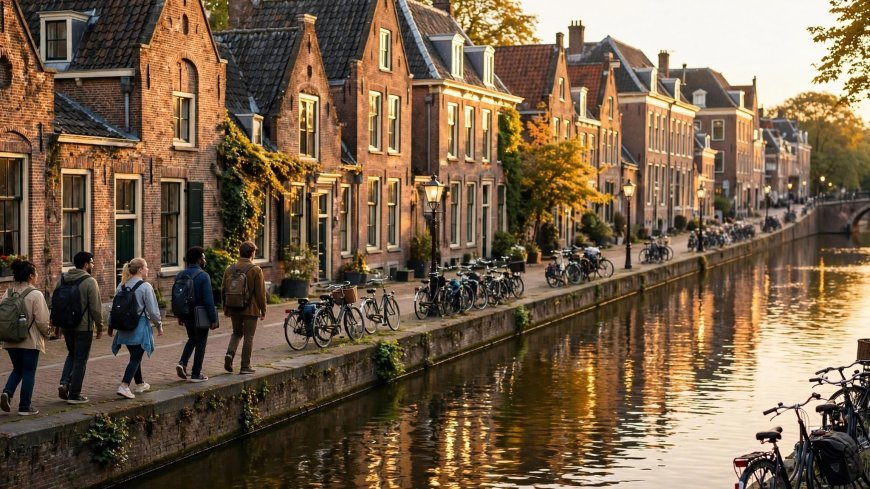
Day-to-day costs in the Netherlands include rent, food, transport, health cover, and course materials. Cycling is the everyday way to get around in most Dutch cities, and students can often get reduced fares on public transport. Housing is the cost students most often underestimate — and the hardest to arrange — so start looking early and check what documents landlords usually ask for. You will also need to think about health cover: check what is required for international students in the Netherlands and whether your university helps you arrange it. The official university and government student websites are the right place to confirm these details, because rules and charges change.
What to check before you apply
- The tuition fee for your exact programme, and whether it applies to international students
- The language of instruction and the test score the university asks for
- Scholarship options and their deadlines, and what each one actually covers
- The cost of living in the city you would live in, especially rent and housing availability
- The student visa or residence permit requirements for the Netherlands, including the financial proof you must show
- Health cover and how to arrange it as an international student
Conclusion
The Netherlands can be an excellent choice, but only when the numbers and requirements are checked for your own programme and city. Confirm the tuition, the language requirement, the funding, and the visa rules on the official sources first — then apply with a plan you can actually afford.